The water treatment market in Oman is changing faster than most buyers realise. New desalination capacity, phased tariff reform and growth in industry, hospitality and agriculture are pushing more homes and businesses to treat water at the point of use, not just rely on the network. This guide sets out what is driving the water treatment market in Oman in 2026, the seven trends that matter most, and what they mean when you plan a filter, an RO plant or a service contract.
What this guide covers
- Water treatment market in Oman: 2026 snapshot
- What is driving demand
- 7 trends you should never ignore
- Market segments and typical systems
- What the water treatment market in Oman means for buyers
- Who is responsible for water quality on site
- Frequently asked questions
Water treatment market in Oman: 2026 snapshot
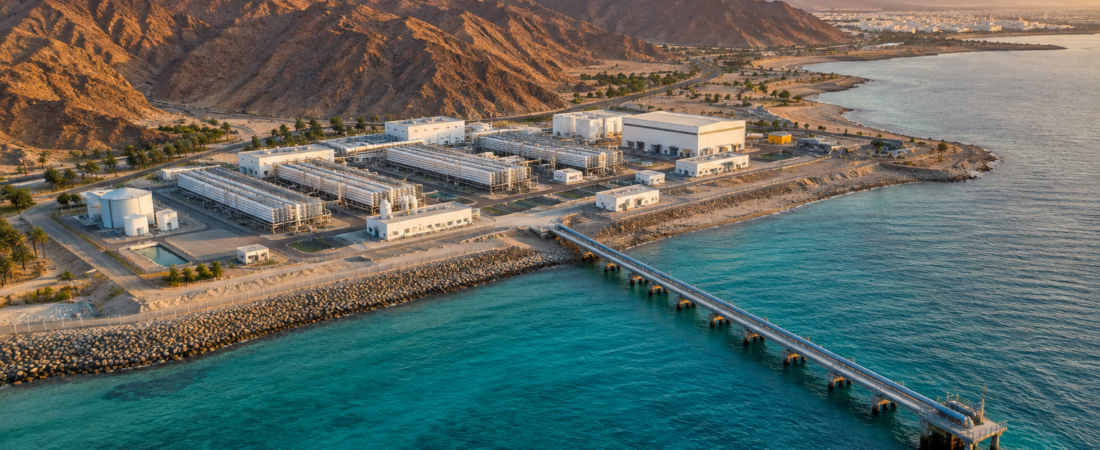
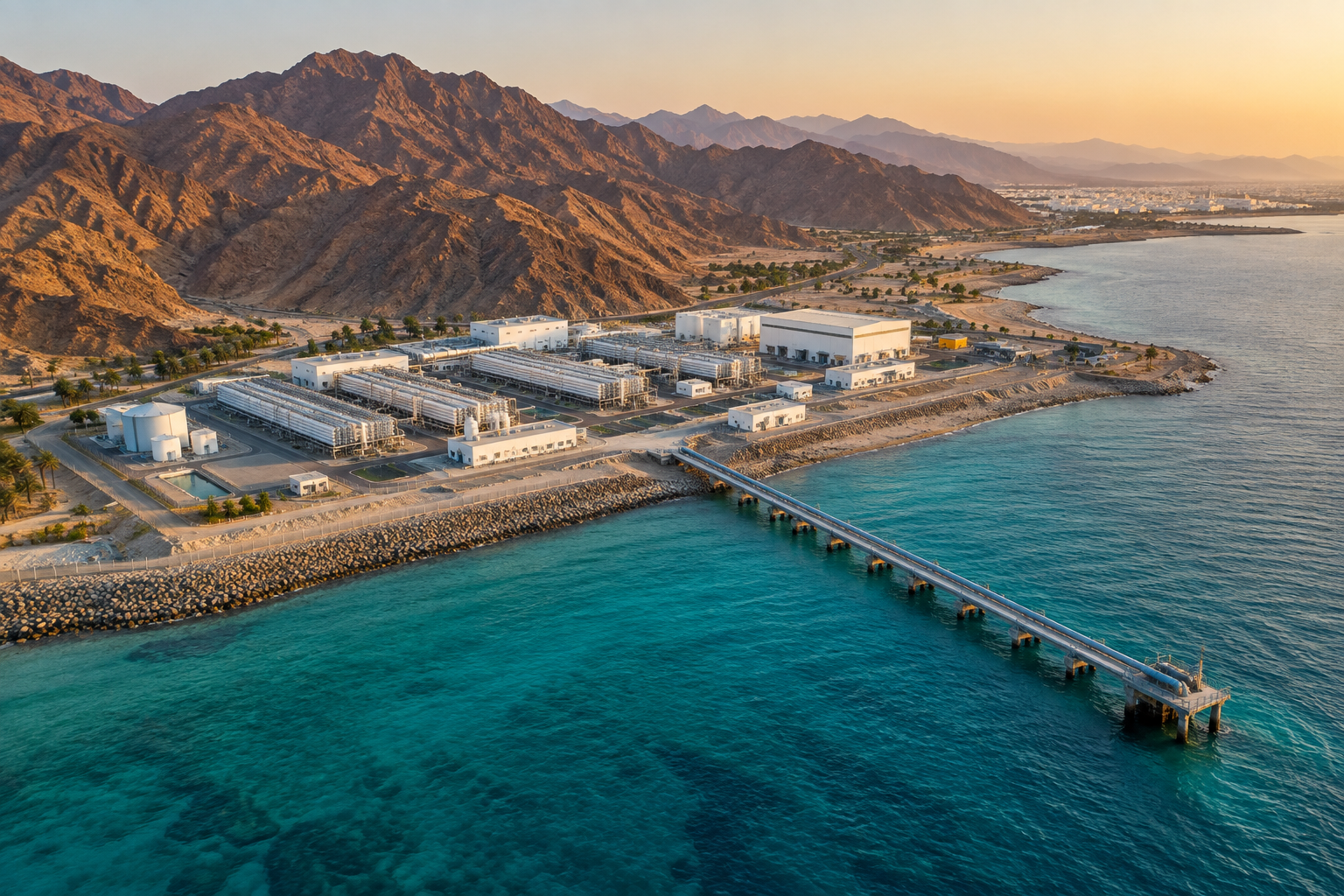
Oman is one of the most desalination-dependent countries in the world. Most potable water in the north of the country comes from seawater reverse osmosis plants along the Batinah and Muscat coast, and an Oman Observer report put desalination’s share of potable supply at around 86 percent. Groundwater from wells still feeds farms, camps and many inland communities, and that water is usually brackish and hard.
Demand keeps rising. According to Nama Power and Water Procurement (PWP), average demand in the Main Interconnected System reached about 1.04 million m³/day in 2022 and is forecast to pass 1.2 million m³/day by 2029. New plants such as Ghubrah III (300,000 m³/day) and Barka V (100,000 m³/day) are being added to meet it.
The chemicals side of the water treatment market in Oman is growing too. One industry estimate from Ken Research values Oman’s water treatment chemicals segment at about USD 140 million, growing at roughly 7.6 percent a year. Treat these figures as direction, not precision: the trend is clear even if the exact number varies by source.
What is driving demand
Four forces sit behind the numbers:
- Population and urban growth in Muscat, Sohar, Salalah and Duqm, with new villas, apartment towers and mixed-use projects.
- Tariff reform. New potable water tariffs took effect in 2021 and were phased in through 2024 and 2025. When water costs more, recovery rates, reject water and leaks start to matter.
- Industrial investment in oil and gas, petrochemicals, mining, food processing and the free zones, all of which need process water, boiler feed and cooling water treatment.
- Health and hygiene expectations after years of rooftop tank contamination stories, plus tighter rules in hospitals, schools and food outlets.
7 trends in the water treatment market in Oman you should never ignore
1. Point-of-use treatment is now standard, not a luxury
Network water leaves the plant in good condition, but it then sits in rooftop and ground tanks in 45°C heat. Chlorine fades, sediment builds and taste changes. That is why under-sink RO, whole-house filters and dispensers have become normal in Omani homes. Our water filter price guide and Muscat TDS by area post show what households actually buy.
2. Water efficiency moves up the agenda
With higher tariffs, a commercial RO that wastes 60 percent of its feed is now a cost line, not a footnote. Buyers ask about recovery, antiscalant programmes and what to do with RO reject water. Expect more reuse for landscaping, cooling tower make-up and toilet flushing.
3. Industrial projects want engineered packages
Sohar, Duqm and the oil and gas interior drive steady demand for brackish water RO, softeners, demineralisation and boiler feed water treatment. These clients expect a water analysis, a design projection, datasheets and a commissioning report, and many buy through the Oman Tender Board or JSRS for oil and gas.

4. Hospitality and food service follow stricter hygiene rules
Hotels, cafes and restaurants are growing with tourism. They need filtered water for coffee machines and ice makers, softening for dishwashers and laundry, and documented Legionella control for hot water and cooling systems. Inspectors and brand auditors now ask for service records.
5. Food security brings RO to farms
Greenhouses and hydroponic farms are expanding under Oman’s food security push. Well water in Al Batinah, Barka and Quriyat is often too saline for sensitive crops, so farms are adding brackish RO. Our hydroponics water treatment guide covers the limits.
6. Service contracts beat one-off sales
More facility managers now buy an annual maintenance contract (AMC) or a “water treatment as a service” package instead of a box. They want filter changes, membrane cleaning, chemical supply and reports for one fixed fee. A plant without service usually fails within two summers.
7. Cooling towers and chemicals get closer attention
District cooling, malls, airports and hospitals run large cooling towers. Scale, corrosion and Legionella risk mean chemical programmes, conductivity-controlled blowdown and, increasingly, non-chemical options. See our cooling tower water treatment service for how this is handled on site.
Market segments and typical systems
| Segment | Typical water source | Common systems | Buying style |
|---|---|---|---|
| Residential villas and apartments | Network water via tanks | Under-sink RO, whole-house filter, softener, shower filter | Fast decision, WhatsApp, pay on installation |
| Cafes, restaurants, offices, schools | Network water | Commercial RO, dispensers, coffee and ice filters | 1 to 2 week cycle, 30 to 60 day terms |
| Hotels and hospitals | Network plus storage | Softening, RO, DI, UV, Legionella control, AMC | Formal proposal, technical approval |
| Industry, oil and gas, mining | Brackish wells, network, seawater | Brackish RO, DM plants, boiler and cooling treatment | Tenders, JSRS, 60 to 90 day terms |
| Agriculture and farms | Brackish wells | Brackish RO, sand and media filters | Seasonal, price-sensitive |
What the water treatment market in Oman means for buyers
A growing market attracts good suppliers and bad ones. Prices for similar-looking RO units can differ by a factor of three because membranes, pumps, pressure vessels and after-sales support are not the same. Before you buy:
- Start with a water test. TDS, hardness, chlorine, iron and silica decide the design. We offer a free water test in Oman.
- Size for Omani summer conditions. Feed water at 35°C to 40°C changes membrane output. Our commercial RO sizing guide explains how.
- Ask for brand names and datasheets for membranes, pumps, UV lamps and dosing pumps. Global references such as the WHO drinking-water guidelines help you check the targets.
- Budget for the service, not just the unit. Filters, membranes and chemicals are where a system lives or dies.
- Check the supplier with our checklist on choosing a water treatment company in Oman.
Who is responsible for water quality on site
Most failures we see come from unclear ownership rather than bad equipment. Agree these roles in writing:
- Owner or facility manager: budgets for service, keeps tanks clean, gives site access and reports problems quickly.
- Operator or maintenance team: logs pressures, flow, TDS and chemical levels daily or weekly.
- Water treatment contractor: designs the system, changes consumables on schedule, cleans membranes, tests water and issues service reports.
Service visit checklist: feed and product TDS recorded, cartridge filters changed on schedule, membrane pressure and flow normalised, UV lamp hours checked, softener salt and regeneration verified, dosing pump and chemical stock checked, tank hygiene noted, report signed and shared with the client.
Frequently asked questions
How big is the water treatment market in Oman?
There is no single official figure. Industry estimates value the chemicals segment alone at around USD 140 million, and the equipment, service and desalination segments add far more. Demand is growing because water use, industry and hygiene standards are all rising.
Is tap water in Oman safe to drink?
Water from Nama Water Services is treated to national standards when it leaves the plant. The risk comes later, from storage tanks and building pipework, which is why point-of-use filtration is common.
Which sector of the water treatment market in Oman is growing fastest?
Industrial process water, hospitality hygiene and farm RO are growing fastest, followed by service contracts as more owners outsource maintenance.
Should I buy a cheaper RO system to save money?
Only if the membrane, pump and after-sales are proven. A cheap unit that needs a new membrane every year costs more over five years than a well-specified one with a service plan.
Plan your next system with UV Water Systems
UV Water Systems has worked in Oman’s water treatment sector for more than 14 years, with ISO 9001:2015 certification and projects for homes, hospitals, schools, hotels and oil and gas sites. If you are planning a filter, an RO plant or an AMC, call or WhatsApp +968 9763 7786 or email sales@waterfilteroman.com for a free water test and a written proposal.